

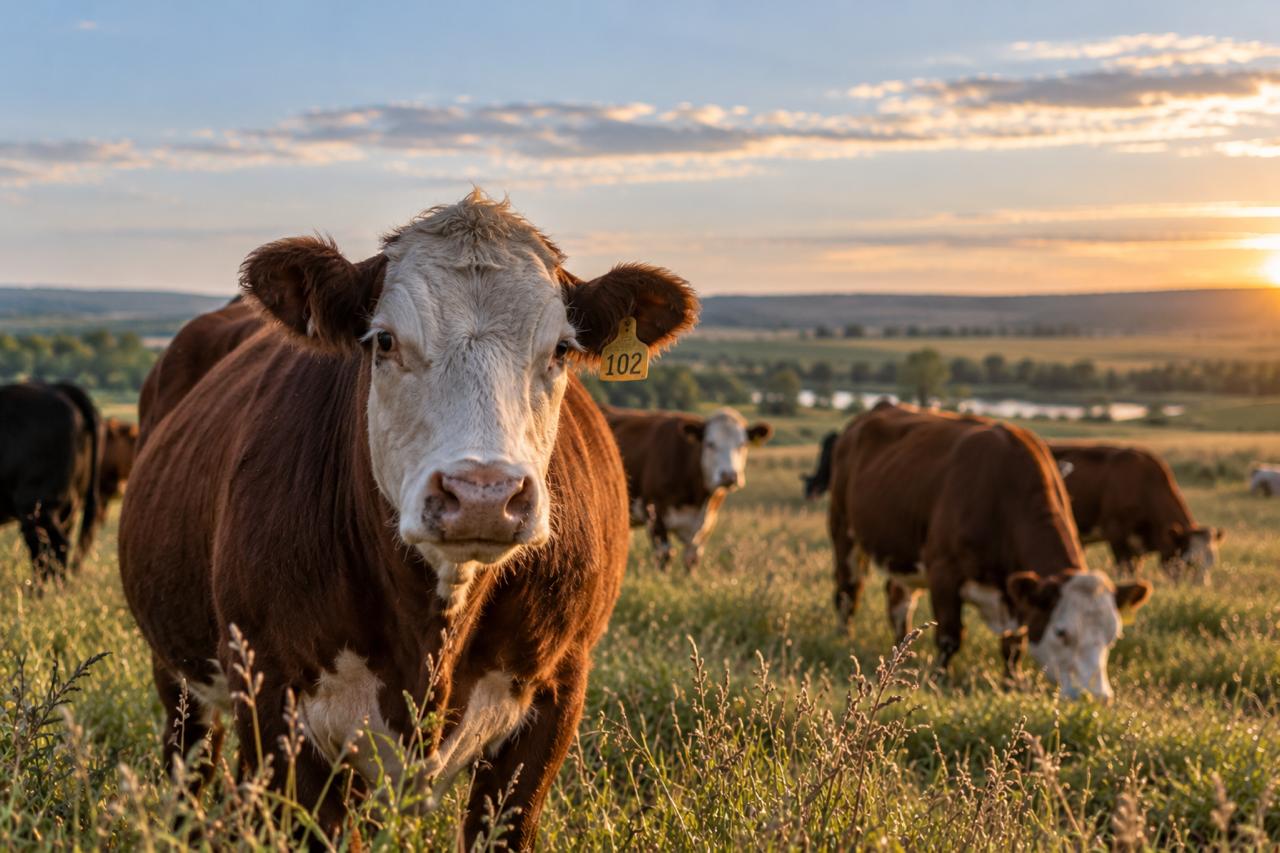
From the cultivated fields around Montney and North Pine to the agricultural holdings of Rose Prairie and Prespatou, a farm’s value reflects more than the acreage on its title. Soil, water, access, improvements and the way the land fits a buyer’s operation all shape the decision.
For owners considering selling, understanding Northern BC farm value begins with separating those characteristics from assumptions. A neighbouring asking price, a construction invoice or an annual assessment notice may offer context, but none establishes what your property would achieve in today’s market.
Two quarter sections a few miles apart can support different uses and attract different buyers. A well-supported evaluation explains those differences before recommending an asking price.
Productive acreage: the foundation of Northern BC farm value
Total acreage and productive acreage are not interchangeable. A quarter section may include cultivated fields, hay ground, pasture, bush, wetlands and natural drainage corridors. Confirm the actual titled area rather than assuming every quarter contains exactly 160 acres.
For grain land, buyers consider cultivated area alongside field shape, approaches and the ease of moving equipment. Several smaller fields divided by draws can require more travel and turning than an uninterrupted block. For cattle operations, usable pasture, shelter and the distribution of water may matter more than cultivated acreage.
Uncultivated land is not automatically without value. It may provide shelter, ecological functions or other benefits, but should not be represented as readily convertible to cropland without investigating suitability, cost and applicable permissions.
Support the acreage description
Identify how land-use figures were established and when they were last checked. Field records and dated aerial imagery help explain current use; approximate mapping should not be presented as a legal survey. Clear distinctions allow buyers to compare the land actually available to their operation.
Location and access: value in the working day
Agricultural location is about operational fit as well as proximity to town. Distance from existing holdings, agricultural services and hauling routes can influence the time and expense involved in working a property.
A parcel adjoining an established farm may be particularly useful to that producer, but a potential neighbour’s interest is not evidence of a guaranteed premium. Pricing still needs support from the wider market.
Investigate both physical and legal access. Maintained roads, usable approaches and suitable machinery routes are practical assets. Shared-road arrangements, seasonal restrictions and maintenance responsibilities should be documented. Access that works during a dry summer may present different demands during snowmelt or prolonged wet weather.
Soil, drainage and water: evidence behind productive potential
Farmland value in Northern BC depends partly on what the land can support and what investment it may require. Soil information, crop rotations, forage condition and drainage observations help buyers understand that picture.
Available production records are useful when their context is clear. Identify the fields and years covered, along with relevant management information. A strong harvest does not establish a future yield, and an agricultural capability map is not a guarantee of performance.
For ranches, grazing suitability depends on forage, water distribution and management—not acreage alone. Where productivity or carrying capacity is central to a valuation, qualified agricultural advice can help substantiate the description.
Document wells, dugouts and other water sources, including available testing, seasonal experience and delivery infrastructure. A source’s presence does not establish reliable capacity or authorization for every proposed use. Buyers need to understand the system and verify the requirements relevant to their plans.
Infrastructure: useful improvements, not replacement-cost arithmetic
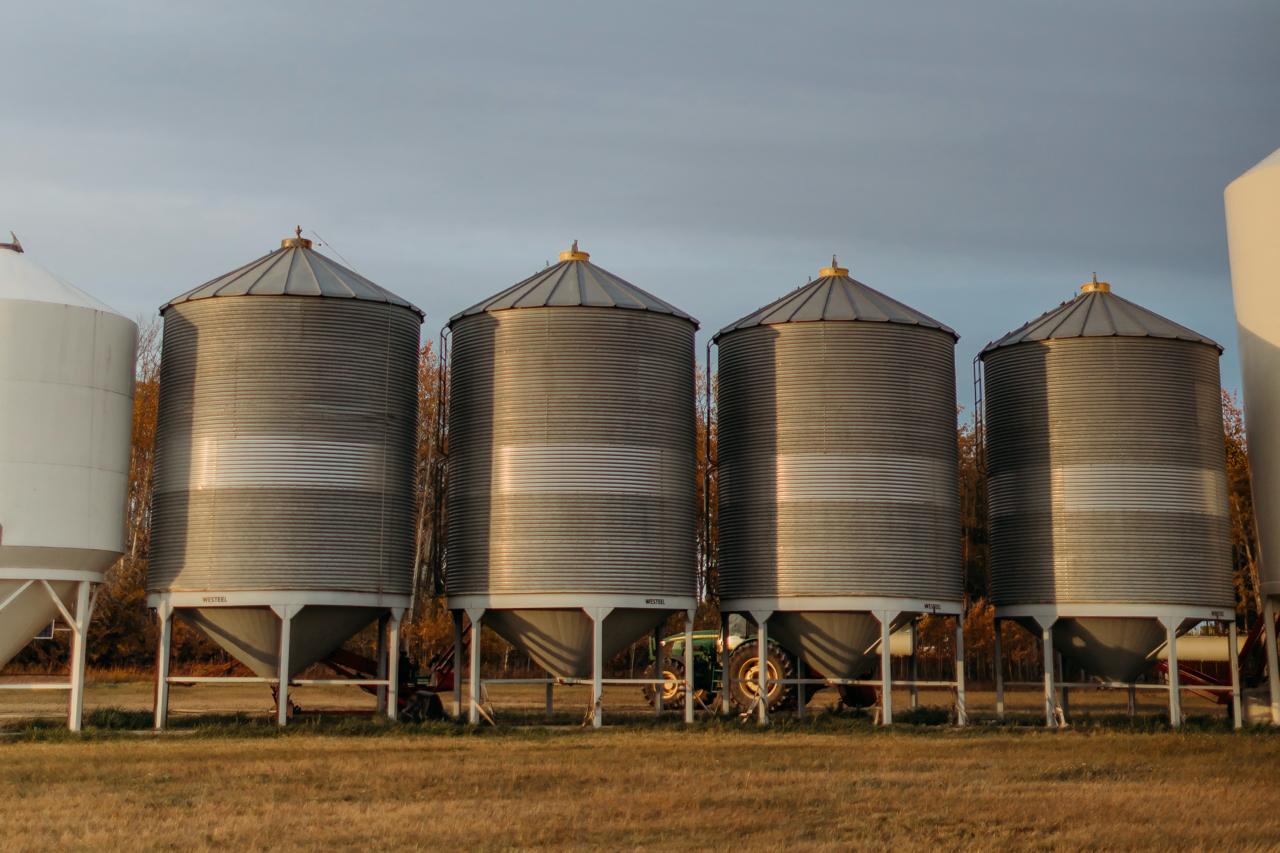
Grain bins, shops, barns, livestock facilities, fencing and services may contribute to a farm’s appeal. Their value depends on condition, function and relevance to the likely buyer.
A grain-storage system needs more explanation than a bin count: capacity, aeration, power and loading access matter. A cattle buyer may place greater emphasis on handling facilities, winter watering and the arrangement of pens and pasture.
Original construction cost does not translate dollar for dollar into selling price. An older building may remain useful, while a specialized structure may suit only a narrow audience. Identify deferred maintenance and obtain estimates where a repair could materially affect the sale decision.
Agricultural leases and oil and gas surface agreements
Some Northern BC properties carry agricultural rental arrangements or compensation associated with energy infrastructure and surface access. These may influence a buyer’s assessment, but income must be considered together with the rights and obligations attached to it.
Provide the agreements and supporting payment records for professional review. Relevant questions include duration, renewal, assignment, access obligations and effects on agricultural use. Environmental or reclamation concerns may also require specialist investigation.
Current receipts are not a guarantee of future payments. Nor should income from an operating business be confused with income attached to the real estate. Clarify what is being sold, which agreements may continue and whether tenants retain cropping, grazing or harvest rights after possession.
ALR status and permitted use: price what is supportable
The Agricultural Land Reserve prioritizes agriculture. Its rules can affect subdivision, residences, non-farm activities and changes involving soil or fill. Local zoning must also be considered; permission under one system does not establish permission under the other.
The Agricultural Land Commission’s ownership guidance warns that existing buildings and activities are not necessarily authorized. It also explains why a title notation alone is not definitive confirmation of ALR status.
Before marketing, verify the relevant parcels, zoning, registered interests and approvals. Do not build an asking price around an unconfirmed subdivision or development scenario. Accurate land-use information helps attract buyers whose plans genuinely fit the property.
Comparable sales: why price per acre needs context
Asking prices show how other sellers are positioning their properties. Relevant completed sales provide evidence of what buyers have paid. A useful market analysis considers both, without treating them as equivalent.
Comparisons should account for sale timing, location, productive acreage, improvements, access and agreements. Dividing a sale price that includes a residence and substantial buildings by total acreage does not isolate the value of bare farmland.
Multiple-title holdings need additional care. Parcels may have different characteristics yet function together as an operation. Consider the likely market for the whole holding and any feasible parcel-sale strategy without assuming that separating land will produce a higher total return.
BC Assessment, market evaluation and formal appraisal
An assessment notice serves a different purpose from a current selling-price recommendation. Farm classification has specific eligibility and documentation requirements; it is not the same as ALR designation. BC Assessment’s farm information explains the classification process and directs owners to the applicable rules.
Owners should not use an assessed figure as a direct substitute for a property-specific market evaluation. The latter examines relevant sales, current competition and the characteristics of the property being offered.
Choose the right valuation for the decision
A Realtor’s market evaluation supports listing and sale decisions. It is not a substitute for a formal appraisal where a lender, legal process or other purpose requires one. Establish the intended use of the valuation before commissioning the work.
Specialized representation starts with understanding the land
Effective farm and ranch marketing combines a researched pricing approach with accurate documentation, photography and mapping. The purpose is to make the property understandable to qualified buyers—not to substitute presentation for evidence.
Considering a sale? Contact Brenna Burns Personal Real Estate Corporation for a property-specific market evaluation of your Northern BC farm or ranch.
General information only. Property values and land-use considerations vary; obtain qualified advice and independently verify property-specific details.