

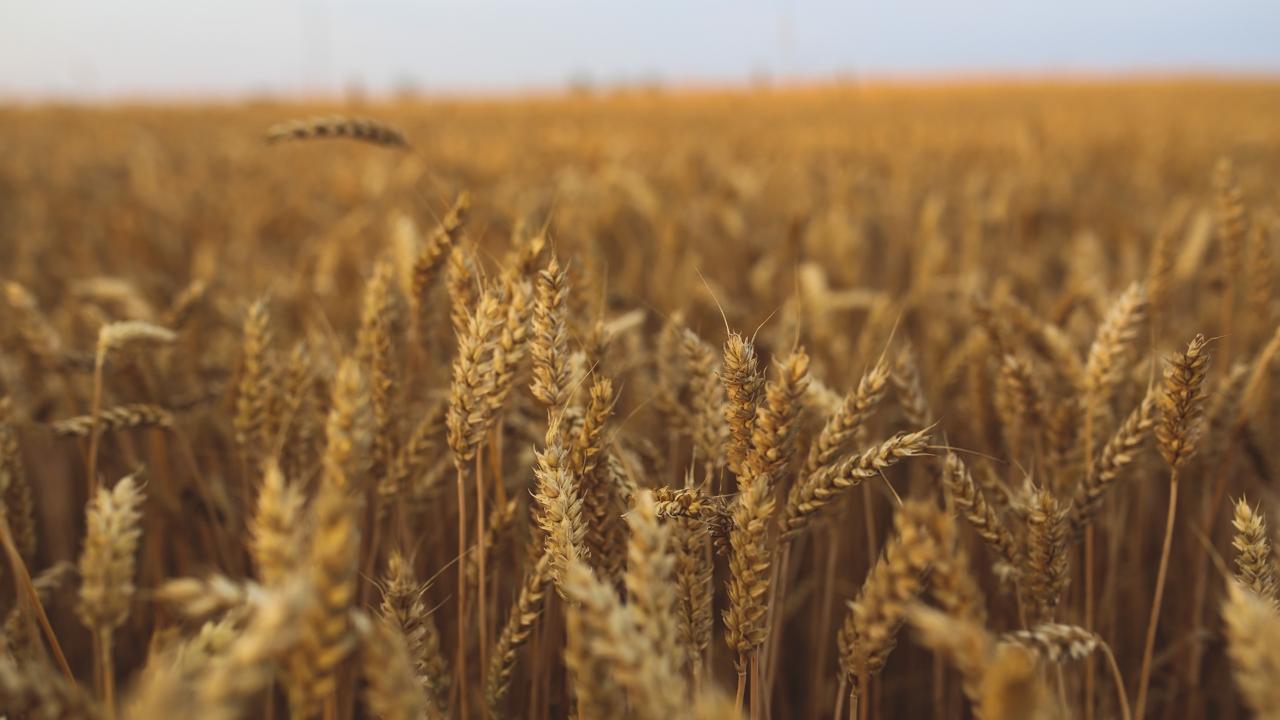
Across the Peace Region, a farm’s character is written in more than its boundaries. Near Fort St. John, Rose Prairie and North Pine, open fields give way to treed draws, hay ground and pasture. What looks like one continuous holding from the road may contain several distinct agricultural assets—and several different management demands.
Buying farmland in Northern BC means understanding those differences. A grain producer adding land to an existing operation, a cattle rancher securing winter feed and a buyer entering agriculture will not necessarily value the same property in the same way. The important question is not simply how much land is available, but how reliably and efficiently it can support the intended operation.
Cultivated acreage: understand what you are buying
A quarter section is a familiar starting point in Peace Country land discussions, but it is not a promise of 160 workable acres. Confirm the titled area separately from the acreage currently cultivated, hayed or grazed. Yard sites, access lanes, bush, slopes and wet ground can all contribute to the total without contributing equally to production.
Ask how cultivated acreage was measured and when the figures were last updated. Field records, aerial imagery and mapping can help reconcile the description with actual use. A field cropped historically may now need weed control, fertility work or other investment before returning to production. Do not assume clearing additional ground is practical or permitted.
Configuration matters, too. Several small fields separated by draws can take more time to work than one uninterrupted block. Consider equipment width, turning space, approaches and the distance between parcels. Comparing farms by total price per acre alone can conceal these operational differences.
Land productivity: look beyond one good harvest
Productivity is the interaction of soil, climate, management and the crop or forage being grown. In Northern BC, ask how each field performs through spring access, the growing season and harvest—not simply how it looked during one favourable summer.
Read field records in context
Request available soil tests, crop rotations and yield records, noting their dates and which fields they cover. Soil texture, organic matter, pH and nutrient levels help frame the discussion, while compaction, drainage and weed pressure may explain uneven performance. Historical yields need context: weather, inputs and management can change the outcome substantially.
For hay and pasture, examine forage composition and stand condition rather than assuming all grassland has the same feed value. Stocking decisions require more than an acreage calculation; usable forage, water distribution and grazing management all matter. Agricultural capability information is useful for screening, but does not establish a particular farm’s output. Where production is central to the purchase, involve a qualified agrologist.
Water sources: assess supply, delivery and authorization
A well, dugout or creek should be evaluated as part of a working system. Identify what it currently supplies, where water is delivered and whether that arrangement suits the proposed operation. A source convenient to the yard may not serve distant paddocks without additional infrastructure.
Request well records, available flow testing and water-quality results. Ask about seasonal shortages, pumping equipment, storage and maintenance. For livestock, investigate winter watering arrangements, power needs and backup options. A dugout’s appearance during a showing does not establish its dependable capacity.
Separate physical supply from permission to use it
Confirm the licences or other authorizations relevant to the source and intended use with the provincial water authority. Have associated documents reviewed, including questions about transfer or changes in use. Do not assume that an existing water system establishes permission for expansion or irrigation.
Infrastructure and access: value what your operation can use
A farm’s improvements should be assessed for function, condition and suitability—not simply counted. Grain storage deserves questions about capacity, aeration, power and truck access. A shop’s usefulness depends on clearance, servicing and the equipment it needs to accommodate. For cattle properties, examine fencing, gates, handling facilities, shelter and the layout between feeding and watering areas.
Separate immediate repairs from longer-term upgrades and obtain estimates where costs could affect the purchase decision. Older infrastructure may still be useful, but replacing a roof, water system or extensive fencing can change the financial picture. Include operating costs and working capital in your budget rather than treating the purchase price as the entire investment.
Access is both practical and legal. Investigate registered access rights, shared-road arrangements and maintenance responsibilities. Consider snow removal, spring conditions and applicable seasonal road restrictions for hauling. When snow limits inspection, identify the unanswered questions rather than treating a winter viewing as a complete assessment.
ALR, zoning and farm classification: three separate checks
Agricultural Land Reserve status, local zoning and property-tax farm classification address different aspects of ownership. Investigate each independently.
The Agricultural Land Commission’s guidance for buyers explains that agriculture is the priority use in the ALR. Local zoning does not override ALR requirements, and existing buildings or activities are not proof of authorization. Check each parcel, including any partial ALR inclusion, and ask the ALC to resolve uncertainty about its status.
If the purchase depends on an additional residence, subdivision or processing space, establish applicable requirements before committing to that plan. Investigate zoning with the Peace River Regional District or relevant municipality. Approval from one authority does not establish approval from another.
Separately, consult BC Assessment’s farm-classification information. Do not assume the seller’s classification will continue unchanged under your ownership and use. Classification is not a substitute for a market evaluation; our guide to what influences Northern BC farm value explains that distinction.
Leases and surface agreements: establish what you will control
Land may be sold with arrangements affecting when and how a buyer can use it. Request agricultural leases and ask about informal cropping or grazing agreements as well. Have a lawyer review term, renewal provisions, notice requirements, assignment and possession implications.
Clarify who owns a standing crop, who may harvest it and whether a tenant retains access after closing. These details can affect the buyer’s first operating season as much as the possession date itself.
Where oil and gas surface agreements, utility rights of way or other arrangements exist, obtain the documents and supporting payment records. Investigate access obligations, operational restrictions and relevant environmental or reclamation concerns. Income mentioned in a listing should be assessed against its actual terms, not assumed to continue indefinitely. Confirm separately whether equipment, livestock or stored crops are included.
Bring the findings together before making an offer
A specialized farm and ranch Realtor helps connect these findings to the transaction: reconciling acreage descriptions, identifying missing documents, comparing properties on relevant characteristics and coordinating investigation before condition deadlines. A polished yard should not distract from an unresolved access issue; an attractive acreage figure should not substitute for understanding productive land.
That role complements—not replaces—legal, accounting, lending, inspection and agrology advice. Align financing, due-diligence conditions and possession arrangements with the operation you intend to run. Distinguish confirmed facts from estimates and unresolved questions before deciding how to proceed.
Explore current rural properties, or contact Brenna Burns, Farm & Ranch Realtor with CENTURY 21 Energy Realty, to discuss a focused farmland search in Fort St. John and the Peace Region.
General educational information; confirm property-specific requirements with the appropriate authorities and qualified advisers.